Bedford Avenue Bike Lane Remains Unsafe Under Mayor Mamdani
A protected bike lane on Bedford Avenue in Brooklyn abruptly ends, forcing cyclists into dangerous traffic conditions and highlighting ongoing safety concerns.
A protected bike lane on Bedford Avenue in Brooklyn abruptly ends, forcing cyclists into dangerous traffic conditions and highlighting ongoing safety concerns.
· Updated
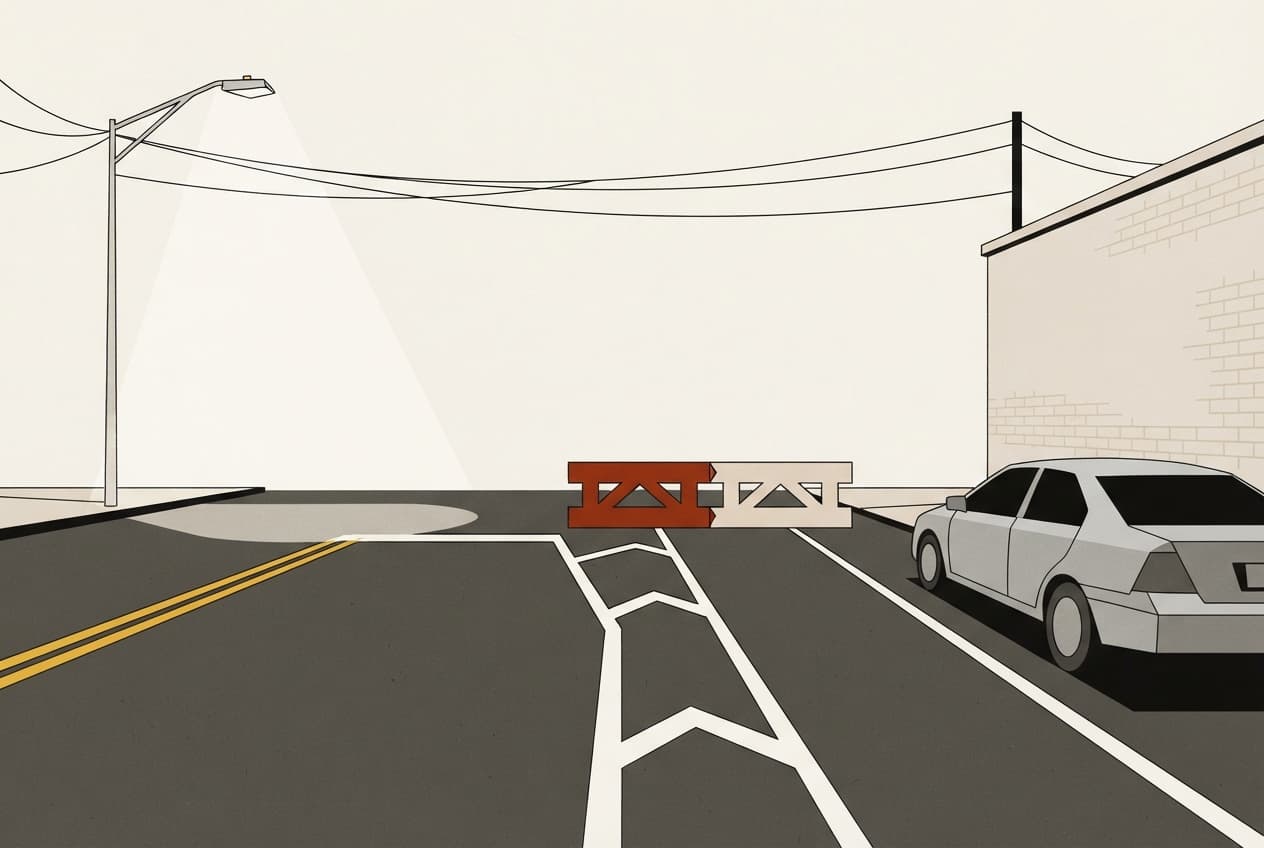
On Bedford Avenue in Brooklyn, the protected bike lane ends at Willoughby Avenue, pushing northbound cyclists into an unprotected lane that is frequently used for parking. This abrupt transition forces cyclists to merge with car traffic, a situation described as unsafe by riders.
The protected bike lane, originally extending further under a previous administration, was shortened after community complaints. Despite promises to restore and improve street safety projects, Mayor Mamdani has not yet addressed the unprotected section of Bedford Avenue.
Advocates and residents have expressed frustration, noting that the current design is dangerous and that illegally parked cars often obstruct the remaining lane. Data from the Department of Transportation indicated a significant reduction in injuries when the protected infrastructure was in place.
Cyclists report that the unprotected section is consistently blocked by parked cars, forcing them to ride alongside or in the middle of traffic. This creates a hazardous environment, particularly at intersections where the lane design can be confusing.
Mayor Mamdani's administration has been urged to fulfill campaign promises regarding street safety and restore the original design or implement improvements. The Department of Transportation has previously acknowledged that removing the protected lane would reduce overall safety.
FAQ
Why is the Bedford Avenue bike lane considered unsafe?
The protected bike lane ends abruptly, forcing cyclists into an unprotected lane that is often blocked by illegally parked cars and merges with car traffic.
What was the impact of the protected bike lane previously?
The Department of Transportation observed a 47-percent reduction in injuries along the corridor when the protected infrastructure was in place.