
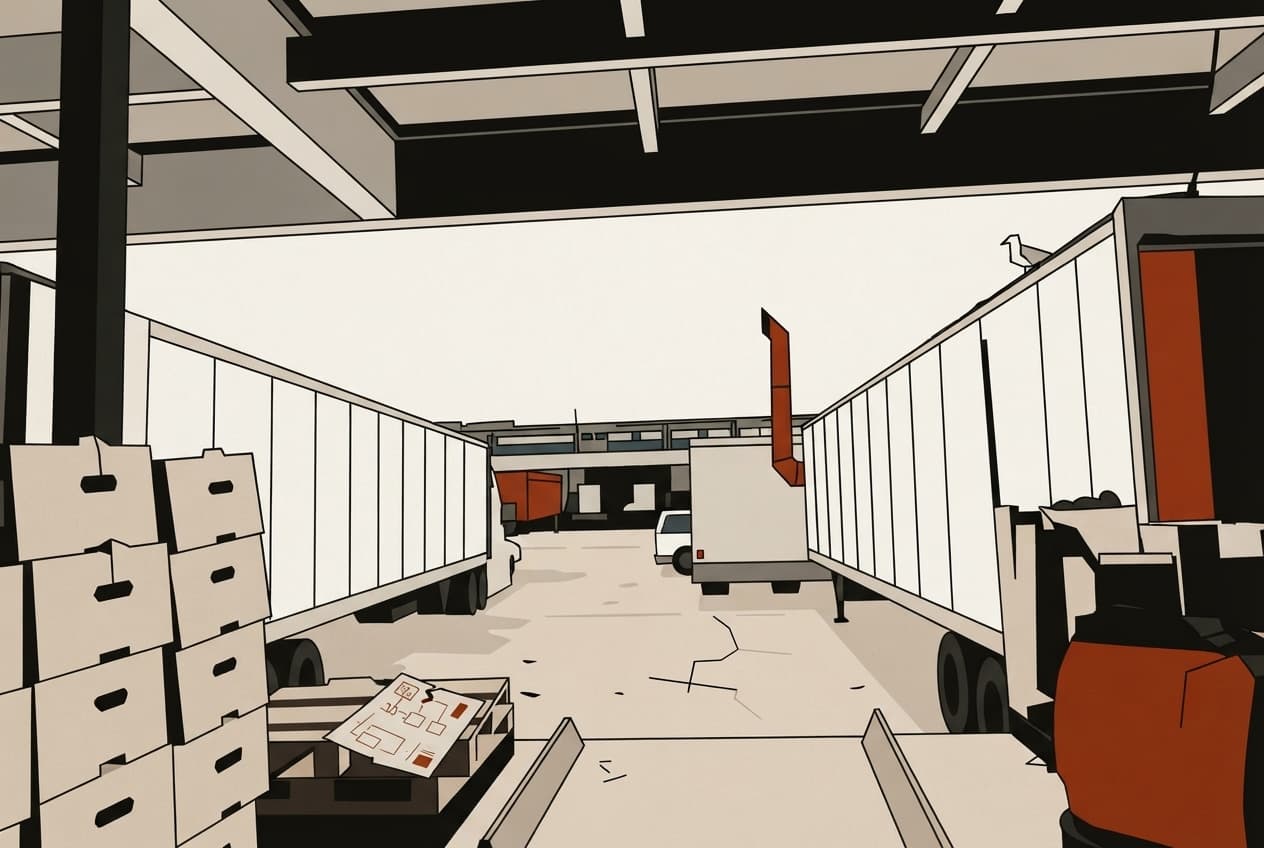
City officials had anticipated the modernization would address decades of environmental injustice at the market, where refrigerated trailers spew diesel fumes. The plan sought to replace warehouses built in 1967 with a new distribution facility. However, the cooperative controlling the market's produce operations voted down the plan over the summer, leading to its collapse.
Funding for the project included substantial federal grants and a significant loan from the U.S. Department of Transportation, which has since removed Hunts Point from its list of funded projects. The cooperative's decision has jeopardized this funding and stalled efforts to tackle pollution at the market, a site where one in five children develop asthma.
Explanations for the deal's failure vary, with some former administration officials pointing to delays in appointing leadership at the Economic Development Corporation. Others cite the powerful cooperative's resistance to change and concerns about operational disruptions during construction. The cooperative, comprised of approximately two dozen families, reportedly raised concerns about the city's plan to reduce the market's footprint and build vertically, which could impact their business operations.
Previous mayoral administrations have also attempted to address pollution at the market. The current collapse highlights the challenges of navigating complex negotiations involving long-standing market operators and city government, especially during administrative transitions.